






















 Car Accessories117 products
- Air Compressors4 products
 Car Care Products8 products
- Car Cushions2 products
- Car Dashboard Cover3 products
 Car Door Visor6 products
- Car Floor Mat3 products
- Car Glass Wash Accessories1 product
- Car Interior Parts17 products
- Car Mudguards7 products
- Car Seat Cover10 products
- Car Sprays3 products
- Car Steering Cover4 products
- Car Top Covers6 products
- Car Wax Polish4 products
 Mobility Kit1 product
 Snow Chain1 product
- Wheel Covers12 products
 Car Body Parts170 products
 Car Bumpers11 products
- Car Dashboards3 products
- Car Doors27 products
- Car Grills12 products
 Car Handles14 products
- Car Hoods3 products
- Car Horn Pads2 products
- Car Interior Parts11 products
 Car Mirrors20 products
- Car Side Body4 products
 Car Spacers5 products
- Car Trunks2 products
- Car Wiper Blades1 product
 Car Wipers3 products
- Fender9 products
- Ishara Pillars2 products
 Car Electrical Parts138 products
 Car Engine Oil & Lubricants154 products
- Coolant14 products
- Differential Oil1 product
 Engine Oils131 products
- Gear Oil8 products
 Honda50 products
- Hyundai15 products
- Industrial Solutions25 products
- KIA10 products
 Mechanical/engine148 products
- Car AC Filter2 products
- Car Air Filter15 products
- Car Brake Fluid4 products
- Car Brake Pads16 products
- Car Brake Shoe4 products
 Car Cables10 products
- Car Carburetors3 products
- Car Clutch Plate3 products
- Car Disc1 product
- Car Engine Coils2 products
- Car Fuel Pumps3 products
- Car Radiators10 products
 Front Shocks2 products
- Oil Filter8 products
- Pressure Plate4 products
- Spark Plug7 products
 Suspension31 products
 MG7 products
- Mitsubishi2 products
- Nissan4 products
 Suzuki268 products
- Toyota106 products




























































Sort by
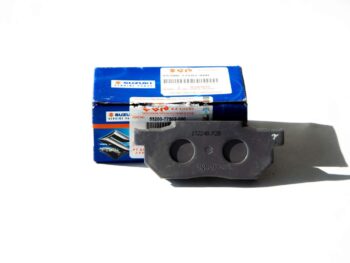

Brake Pad Set – Wagon R


Hyundai Sonata Brake Pads Rear
Car Brake Pad Set
Car brake pads are essential components of the braking system that provide friction against the brake rotors to slow down or stop the vehicle. When the brake pedal is pressed, the brake pads are pushed against the rotating brake rotors, creating the necessary friction to convert kinetic energy into heat energy, which ultimately slows down or stops the vehicle. Brake pads play a crucial role in ensuring safe and reliable braking performance.
How often should I replace the brake pads on my car?
The frequency of brake pad replacement depends on various factors, including driving habits, road conditions, and the type of brake pads installed. As a general guideline, it is recommended to inspect the brake pads during routine maintenance intervals and replace them when the thickness of the friction material is worn close to or below the manufacturer’s recommended minimum thickness. Typically, brake pads may need replacement every 25,000 to 70,000 miles, but this can vary greatly depending on the aforementioned factors.
What are the signs that indicate a need for brake pad replacement?
There are several signs that indicate the need for brake pad replacement. These include squeaking or squealing noises when applying the brakes, grinding or scraping noises, reduced braking performance, longer stopping distances, a pulsating brake pedal, or a warning light illuminated on the dashboard. Additionally, visually inspecting the brake pads through the wheel spokes can provide an indication of their condition. If the brake pads appear excessively worn, uneven, or less than the recommended thickness, it is time for replacement.
Can I replace the brake pads myself, or should I seek professional help?
While some experienced DIYers may choose to replace brake pads themselves, it is a task that requires technical knowledge and proper tools. If you are confident in your mechanical skills and have the necessary tools, you can attempt to replace the brake pads following the instructions provided in the vehicle’s service manual. However, if you are unsure or uncomfortable performing the task, it is recommended to seek professional assistance from a qualified mechanic. They have the expertise to ensure proper installation, brake pad selection, and system safety.
Are there different types of brake pads available?
Yes, there are different types of brake pads available, each with its own characteristics and performance attributes. The most common types include organic brake pads, semi-metallic brake pads, and ceramic brake pads. Organic brake pads are made from natural materials and offer quiet operation and low dust production. Semi-metallic brake pads contain a mixture of metals and provide improved stopping power and durability. Ceramic brake pads are known for their low noise, minimal dust generation, and excellent heat dissipation properties. The choice of brake pads depends on factors such as driving style, vehicle usage, and personal preferences.